If you want a place that feels connected, active, and close to the Front Range without giving up everyday convenience, Castle Rock likely lands on your shortlist. Maybe you are comparing it with other communities between Denver and Colorado Springs, or maybe you want a clearer picture of what daily life actually feels like once the moving boxes are gone. This guide will walk you through Castle Rock’s setting, lifestyle, housing patterns, and day-to-day rhythm so you can decide if it fits what you want next. Let’s dive in.
Castle Rock at a Glance
Castle Rock is a fast-growing town in Douglas County with an estimated population of 83,815 as of July 1, 2025. It sits in East Plum Creek Valley at the base of the Rocky Mountains, at an elevation of 6,202 feet, and it serves as the Douglas County seat.
Its location is a big part of the appeal. Castle Rock sits roughly midway between Denver and Colorado Springs, which makes it a practical option if you want access to both areas while still living in a town with its own identity.
The town covers 36.57 square miles and has a lifestyle that blends a historic core, suburban growth, and strong outdoor access. You get a community that keeps expanding, but still has a recognizable center in downtown and a namesake butte that anchors the landscape.
What the Town Feels Like
Castle Rock feels like a place where outdoor living and suburban convenience meet. Downtown remains the civic and social heart of town, while neighborhoods, parks, trails, and newer development spread outward from the center.
You can see that balance in how the town is built. Historic buildings and government services sit close to newer residences, local businesses, and event spaces, while master-planned neighborhoods connect into a larger network of roads, parks, and trails.
For many buyers, that translates into a lifestyle with options. You can spend one part of your day running errands downtown, another on a trail or in a park, and another shopping or dining without needing to leave town.
Daily Life in Downtown Castle Rock
Downtown Castle Rock is not just a place you visit once in a while. It plays a real role in daily life, with historic buildings, local businesses, newer infill residences, and county services all in the same area.
That mix gives downtown more everyday function than some historic districts in other communities. It is a place where you can handle practical tasks, meet friends, attend events, and enjoy the town’s older character in the same trip.
Free public parking structures also make downtown easier to use for errands and event days. That may sound small, but details like parking often shape how often you actually enjoy a town center.
Shopping and Dining Options
Castle Rock offers a mix of local character and regional convenience. Downtown features one-of-a-kind stores and restaurants, while larger shopping is available at places like The Barn, The Emporium, and the Outlets at Castle Rock, which includes more than 120 shops and restaurants.
Dining and nightlife lean local and casual. Visitor information points to locally owned restaurants, breweries, pubs, live music, and late-night spots, with examples like Wild Blue Yonder Brewing Co. and Rockyard Brewing Company helping define the food-and-drink scene.
If you like having choices, that variety matters. You are not limited to one style of shopping or dining, and the town supports both local stops and larger retail destinations.
Events That Shape the Rhythm
Castle Rock’s event calendar adds a lot to the local lifestyle. Festival Park, located in the heart of downtown, hosts First Fridays, a farmers market from Memorial Day weekend through mid-October, and the Western Heritage Welcome.
The town also highlights recurring community events and programs such as the Summer Kickoff Concert and Oktoberfest. One of the best-known traditions is the annual Starlighting, held on the Saturday before Thanksgiving.
These events help create a stronger sense of rhythm throughout the year. Instead of feeling like a place where everything happens somewhere else, Castle Rock has regular gathering points built into the calendar.
Outdoor Living Is a Major Draw
One of the clearest reasons people choose Castle Rock is outdoor access. The town’s Parks and Recreation Department manages 104 miles of trails, 25 parks, and more than 4,000 acres of open space, while broader town materials describe a system of 136 miles of trails, more than 60 parks, and 6,900 acres of open space.
No matter which count you focus on, the takeaway is the same. Outdoor recreation is not an extra feature here. It is part of how the town functions day to day.
If you want a community where it feels normal to fit in a walk, bike ride, or park stop during the week, Castle Rock is built for that. The trail and open-space network touches many parts of town, which makes outdoor time more accessible in regular life.
Signature Parks and Trails
Philip S. Miller Park is one of the town’s main recreation hubs. This 300-acre park includes the Amphitheater, Challenge Hill, the Miller Activity Complex, an adventure playground, and connected trails.
Ridgeline Open Space adds another layer, with 13.5 miles of trails and views of the Front Range and the town below. East Plum Creek Trail is an 8.6-mile paved route that links downtown with neighborhoods including The Meadows, Kings Ridge, Montaine, and Crystal Valley.
These spaces do more than add scenery. They help connect neighborhoods, support active routines, and shape the overall feel of the town.
The Rock as a Local Landmark
The Rock itself remains one of Castle Rock’s defining landmarks. The namesake butte sits just north of downtown and can be hiked for a bird’s-eye view.
Visitor materials note panoramic views of Downtown Castle Rock, the I-25 corridor, Pikes Peak, and the Front Range from the trail. That gives the town a visual anchor that also doubles as a recreational feature.
For many residents, that kind of landmark matters more than you might think. It gives the town a stronger sense of place and makes the landscape feel memorable, not generic.
Neighborhoods and Housing Variety
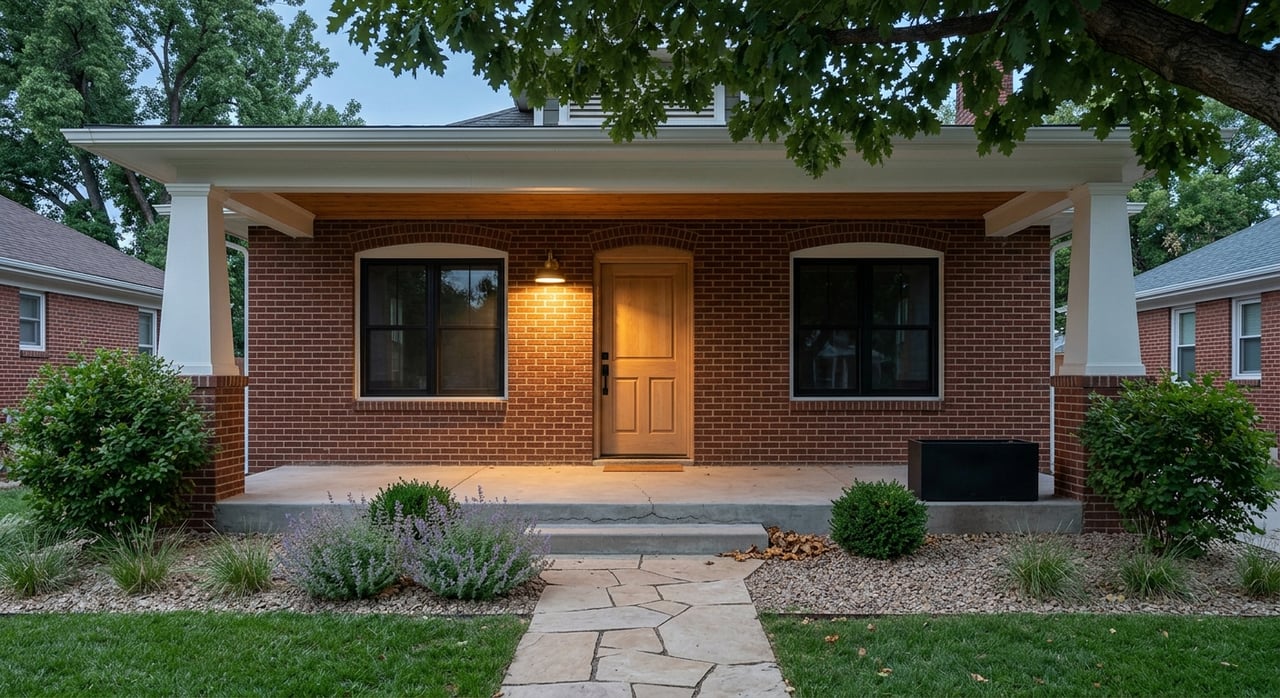
Castle Rock offers a broad range of housing options. The town identifies more than 150 mapped neighborhoods, with choices ranging from homes that are more than 100 years old near the town center to new construction in many styles and locations.
That variety can be helpful if you are in a different stage of life or have a different set of priorities. Some buyers want a more central location and older-home character, while others want newer construction, planned amenities, and easier access to parks and trails.
Downtown development also includes newer residences in Mercantile Commons, Riverwalk, and Encore. That means buyers looking for a more central lifestyle may still find newer housing options closer to the historic core.
Newer Neighborhood Patterns
The town points to communities such as The Meadows, Red Hawk, Terrain, Sapphire Pointe, Crystal Valley, and Montaine as examples of newer neighborhoods tied into the larger trail and road network. In practical terms, newer construction here is not isolated from the rest of town.
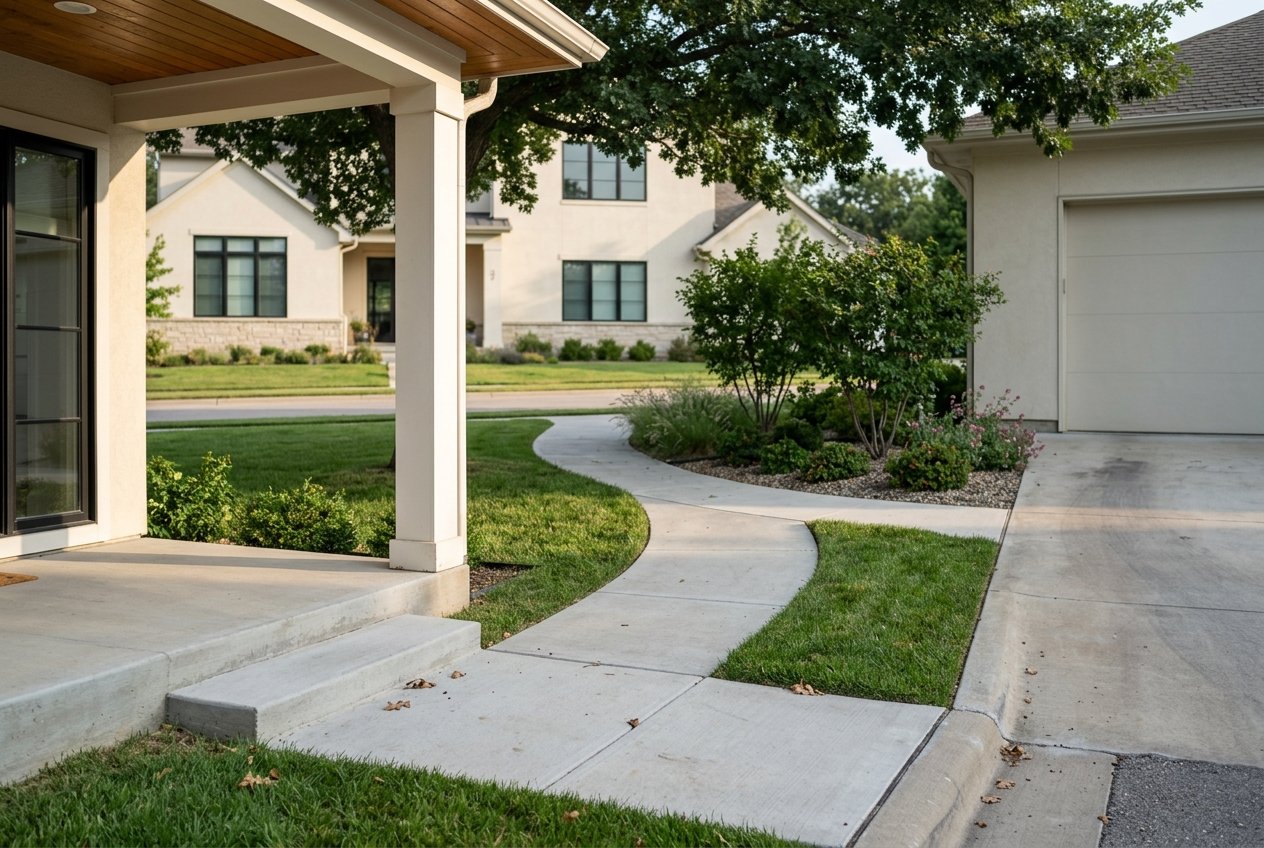
Instead, it is integrated into a broader suburban pattern that includes retail access, parks, open space, and connected routes. That can make daily living feel more cohesive, especially if you value amenities and ease of movement.
For buyers comparing housing styles, Castle Rock tends to offer a clear tradeoff structure. Central homes often provide more of the historic-downtown and walkable-core feel, while newer neighborhoods tend to emphasize amenities and trail access.
What to Know About Views
If mountain or town views are high on your list, geography matters. Town trail pages emphasize Front Range, Pikes Peak, and town views from higher terrain, which suggests that stronger scenery is often found on or near ridgelines and open-space edges rather than in the downtown core.
That does not make one option better than another. It simply means your location priorities may involve tradeoffs between scenery, convenience, and access to downtown.
For some buyers, that is an easy choice. For others, it helps to tour different parts of Castle Rock in person to understand how the topography changes the feel from one area to another.
Commuting and Getting Around
Castle Rock is still primarily a car-based town. According to the town’s transportation manual, the transit section is reserved for future use when transit services are available in Castle Rock.
The town does offer a taxi voucher program, a senior shuttle, and regional ride-matching through Way to Go. Still, for most residents, driving remains the main way to get around.
That matters if your work, school, or regular activities take you beyond town limits. Castle Rock’s position between Denver and Colorado Springs is attractive, but your day-to-day experience will still depend a lot on your driving patterns and where in town you choose to live.
The town also notes that the Crystal Valley Interchange is a major transportation priority, with full completion expected in 2027. Infrastructure projects like that can affect long-term convenience, especially in growing areas.
Who Castle Rock May Appeal To
Castle Rock can make sense for a wide range of buyers because the town combines several lifestyle features in one place. You have a historic downtown, a strong event calendar, broad shopping access, and a large parks and trail system.
It may especially appeal to people who want suburban living with regular outdoor access and a community calendar that feels active throughout the year. It can also fit buyers who want to be between Denver and Colorado Springs while still choosing a town with its own center and local identity.
The right fit often comes down to how you want your days to feel. If you value trail access, neighborhood variety, and a town center you will actually use, Castle Rock gives you a lot to consider.
If you are weighing Castle Rock against nearby communities, it helps to look beyond square footage and price alone. The better question is whether the town’s pace, layout, and lifestyle match the way you want to live.
If you want help sorting through neighborhoods, comparing housing styles, or finding the right fit for your move, Jerrell Young offers calm, local guidance with a service-first approach.
FAQs
What is daily life like in Castle Rock, Colorado?
- Daily life in Castle Rock blends a historic downtown, local shopping and dining, community events, and strong access to parks, trails, and open space.
Is Castle Rock a good place for outdoor recreation?
- Yes. Castle Rock has an extensive parks and trail system, including Philip S. Miller Park, Ridgeline Open Space, East Plum Creek Trail, and thousands of acres of open space.
What types of homes are available in Castle Rock?
- Castle Rock offers a wide housing mix, including older homes near the town center, newer residences downtown, and new construction across many master-planned neighborhoods.
Is Castle Rock more walkable or car-dependent?
- Castle Rock is mostly car-dependent overall, although downtown supports more of a walkable-core feel and some neighborhoods connect well to the town’s trail network.
What makes Castle Rock different from other Colorado towns?
- Castle Rock stands out for its location between Denver and Colorado Springs, its active downtown, its signature butte and trail system, and its mix of historic character and newer suburban growth.