
What does everyday life in Centennial really feel like once the moving boxes are gone? If you are trying to picture your routine, from your commute and grocery runs to weekend park time, it helps to look beyond listing photos. This guide walks you through how Centennial lives day to day, with a closer look at housing patterns, outdoor access, shopping, and transportation so you can picture what fits your lifestyle. Let’s dive in.
Centennial Has a Suburban Feel
Centennial is a south metro Denver suburb that was incorporated in 2001 and had a population of 108,418 in the 2020 Census. For many buyers, that means you get an established city with a large residential base, local services, and a clear community identity.
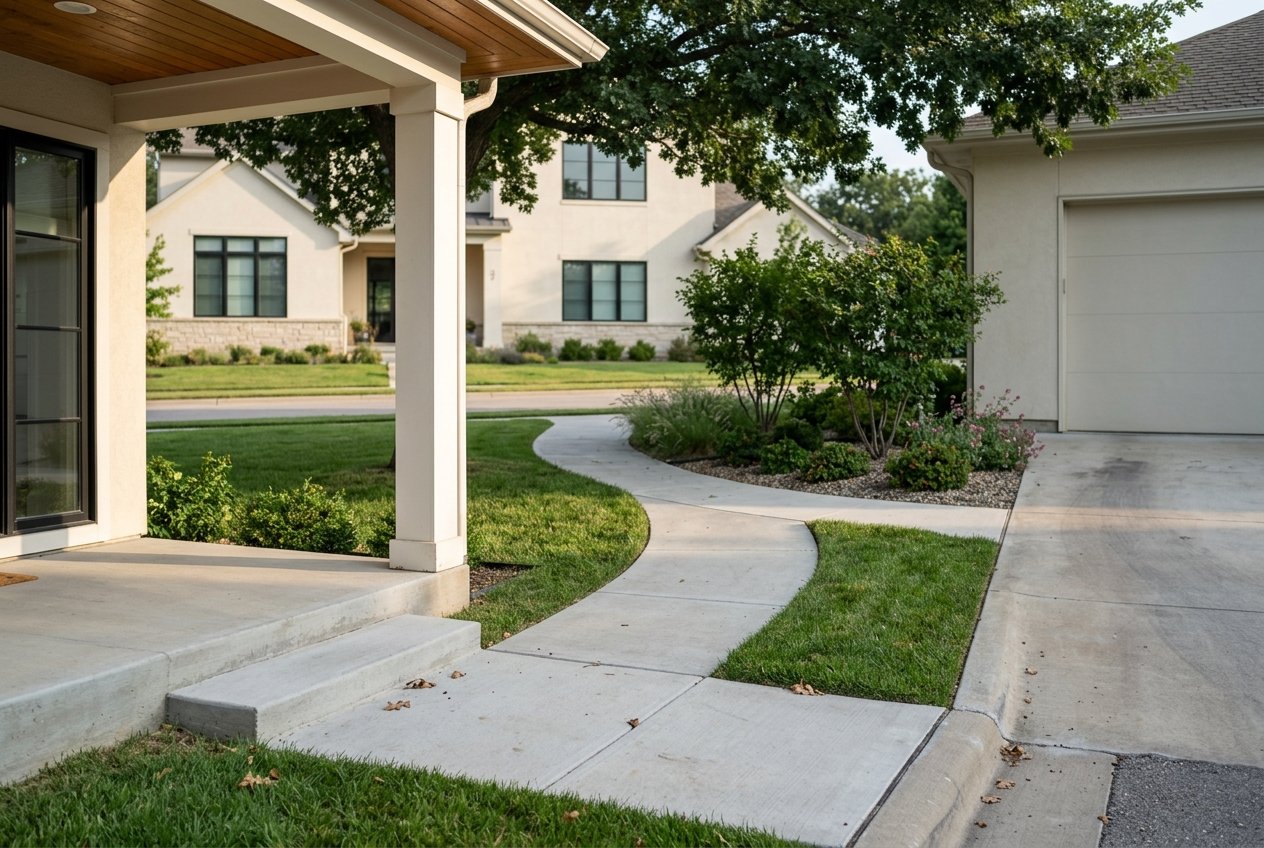
The city’s planning materials show that Centennial is mostly suburban in character, but it is not one-size-fits-all. Some areas reflect older neighborhood patterns with more traditional detached homes, while other parts are newer and somewhat denser, especially near corridors and mixed-use areas.
That mix can matter if you are deciding between a quieter residential setting and something that feels a little more connected to retail, dining, or commuter routes. Instead of expecting the same look and feel everywhere, it helps to think of Centennial as a city with several neighborhood types and housing patterns.
Homes in Centennial Vary by Area
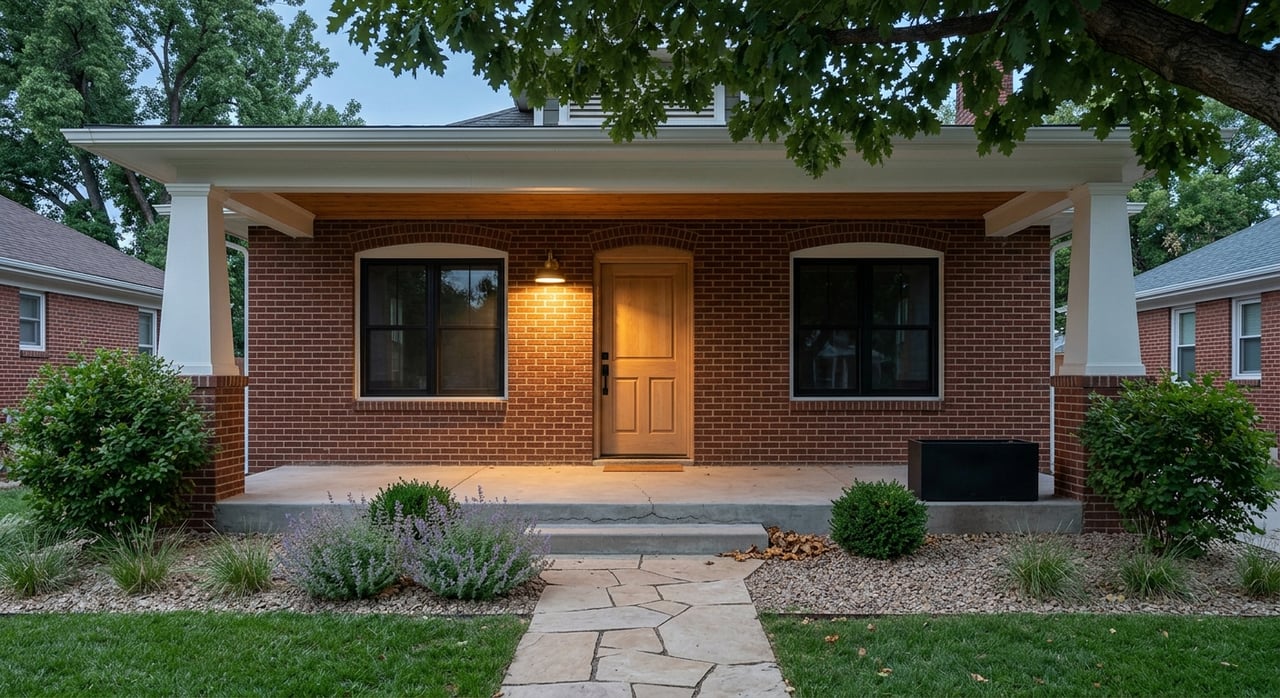
Centennial’s planning documents describe legacy, emerging, and future neighborhood types. Legacy neighborhoods generally include pre-incorporation or early-incorporation areas with single-family detached and attached housing, plus some multifamily homes.
Emerging neighborhoods are typically newer and denser. These areas may include more detached homes, attached homes, and multifamily options near major corridors or mixed-use destinations.
The city’s zoning also supports this range. Centennial includes areas intended for suburban lots with single-family homes, narrower-lot single-family development, and some districts that allow multifamily buildings or attached housing.
For you as a buyer, the practical takeaway is simple: Centennial offers more than one housing experience. Depending on where you look, you may find classic suburban blocks, more compact residential pockets, or homes closer to mixed-use conveniences.
Parks Are Part of Daily Life
One of Centennial’s strongest lifestyle features is its access to parks, trails, and open space. The city says it offers more than 100 parks, 100 miles of trails, and more than 4,000 acres of open space through partnerships with regional recreation districts.
That kind of access can shape your week in a real way. It gives you more options for morning walks, bike rides, playtime, and casual outdoor time without needing to plan a full day trip.
Centennial Center Park stands out as the city’s signature destination park. This 15-acre park off Arapahoe Road includes lawns, a playground, an amphitheater, a seasonal splash pad, shaded gathering areas, and both paved and unpaved walking trails.
If you are looking for a place that can support both everyday use and special outings, Centennial Center Park is a strong example of how the city blends recreation with convenience. You can picture anything from a quick walk after work to a longer family stop on the weekend.
Trails Connect More Than Recreation
In Centennial, trails are not just for exercise. South Suburban Parks and Recreation serves the area west of I-25 and maintains more than 125 miles of trails, including the High Line Canal Trail, Centennial Link Trail, Willow Creek Trail, and Mary Carter Greenway Trail.
The district describes these trails as everyday connectors to work, school, parks, shopping, and recreation. That is an important detail because it means trail access can support your regular routine, not just your weekend plans.
Regional connectivity adds even more value. Trail access also links Centennial to Cherry Creek State Park, which offers miles of paved and unpaved trails and access to the reservoir area.
If outdoor access ranks high on your list, Centennial gives you more than isolated green spaces. It offers a network that can support movement across the city and into nearby recreation areas.
Errands Are Spread Across the City
When people ask whether Centennial is convenient, the answer is yes, but not in a single-center way. The city’s budget materials show that everyday retail and dining are spread across several market areas, including Southglenn, West Central, I-25 West, I-25 East, East Central, and Smoky Hill.
That means your day-to-day experience may depend a lot on which part of Centennial you call home. In many cases, you can stay within the city for grocery runs, dining out, entertainment, and common errands.
Examples named in city materials include retailers and destinations such as King Soopers, IKEA, Walmart Market, Total Wine & Spirits, Topgolf, ViewHouse, Los Dos Potrillos, Tagawa Gardens, and Centennial Gun Club. These examples help show the range of practical needs and leisure stops available within Centennial’s retail areas.
For you, that often translates to less need to leave the city for routine tasks. It also means that choosing the right area of Centennial can help align your home search with the kinds of conveniences you use most often.
SouthGlenn Adds Mixed-Use Convenience
The Streets at SouthGlenn is one of Centennial’s best-known mixed-use destinations. Located at Arapahoe Road and University Boulevard, the city describes it as a center that combines shopping, dining, living, and working uses for the neighborhood, the city, and the region.
This kind of mixed-use setting can appeal to buyers who want easier access to restaurants, shops, and services in one place. It can also create a different rhythm of daily life compared with neighborhoods that are more purely residential.
If you enjoy having a central hub for errands and casual outings, SouthGlenn is one of the city’s more visible convenience anchors. Even so, it is only one part of Centennial’s broader corridor-based retail pattern.
Commuting Often Means Driving
Centennial’s transportation plan makes one thing clear: the city is still strongly car-oriented. In the plan’s ACS 2015 to 2019 snapshot, 78.6 percent of residents drove alone to work, 5.4 percent carpooled, 2.9 percent used public transportation, and 10.6 percent worked from home.
For many buyers, that confirms what the road network already suggests. Centennial works well for households that expect to drive regularly, even though transit and trail options are part of the picture.
The city’s transportation materials identify I-25 as the core north-south corridor, with C-470 and E-470 immediately south of the city. Major arterials include Arapahoe Road, University Boulevard, and Smoky Hill Road.
Those routes shape how people move both within Centennial and to nearby job centers. The city reports that residents most often commute to Denver, Aurora, Greenwood Village, and Littleton.
Transit Exists, But Driving Still Leads
Centennial does have public transportation options. RTD’s Southeast Light Rail Line provides north-south connectivity along the I-25 corridor, and FlexRide helps with first- and last-mile service.
At the same time, the city notes that fixed-route east-west transit is more limited. That can affect how practical transit feels depending on where you live and where you need to go.
The Census QuickFacts page reports a mean travel time to work of 25.9 minutes for 2020 to 2024. For some households, that may feel manageable, especially if access to highways and job centers matters more than a walkable grid.
The city’s planning materials also report a Walk Score of 36, a Bike Score of 47, and a Transit Score of 25, along with 31 miles of sidewalk gaps in the transportation snapshot. Put together, those numbers reinforce the idea that Centennial functions more like a driving suburb than a walk-everywhere city.
What Everyday Life May Feel Like
If you are deciding whether Centennial fits your lifestyle, the big picture is fairly clear. You are likely looking at a suburban routine with a mix of housing types, strong park and trail access, corridor-based shopping and dining, and transportation patterns that still lean heavily toward driving.
For some buyers, that balance feels just right. You may appreciate having room to spread out, multiple retail zones for errands, and outdoor access woven into the city’s layout.
For others, the key question may be how close you want to be to mixed-use areas, trail systems, or major roads like I-25 and Arapahoe Road. That is where a more tailored home search can make a big difference.
Whether you are relocating, moving up, or simply comparing Denver-area communities, understanding the rhythm of daily life can help you choose with more confidence. If you want help narrowing down the right fit in Centennial or nearby communities, Jerrell Young offers thoughtful guidance, clear communication, and a personalized approach from start to finish.
FAQs
What is Centennial, Colorado like for daily life?
- Centennial offers a mostly suburban lifestyle with varied housing patterns, strong access to parks and trails, several retail areas for errands and dining, and transportation that is still largely car-oriented.
What kinds of homes are common in Centennial?
- Centennial includes traditional single-family neighborhoods, attached housing, and some multifamily areas, with denser and newer development often located near major corridors and mixed-use parts of the city.
Are there a lot of parks and trails in Centennial?
- Yes. The city says Centennial has more than 100 parks, 100 miles of trails, and more than 4,000 acres of open space through partnerships with regional recreation districts.
What is Centennial Center Park known for?
- Centennial Center Park is the city’s signature 15-acre destination park and includes lawns, a playground, an amphitheater, a seasonal splash pad, shaded gathering areas, and walking trails.
Is Centennial convenient for shopping and errands?
- Yes. City materials show that grocery stores, restaurants, entertainment, and major retailers are spread across several retail market areas, so many daily needs can be handled within the city.
Is Centennial a walkable city?
- Centennial includes trails and some transit access, but city planning materials show lower Walk, Bike, and Transit Scores overall, which suggests most residents still rely on driving for daily transportation.