If you are thinking about buying in Pueblo, one of the first things you will notice is how much the city changes from one area to the next. Some streets are lined with older homes and front porches, while others offer newer subdivisions with smaller lots and more modern layouts. That variety can be exciting, but it can also make your search feel less straightforward. This guide will help you understand how Pueblo neighborhoods differ, what home styles you are likely to see, and how to narrow in on the part of town that fits your goals. Let’s dive in.
How Pueblo’s neighborhoods take shape
Pueblo’s residential character comes from a blend of historic neighborhoods, industrial-era districts, and newer planned communities. According to city preservation standards, many of Pueblo’s older neighborhoods were platted between 1869 and 1899 on a traditional street grid. Those areas often include regular setbacks, street trees, front porches, bluegrass lawns, and wood slat fences.
One of the most important things to know is that Pueblo does not always follow a single look from block to block. The city notes that older streets often mix several architectural styles on the same block. That gives many neighborhoods an eclectic feel rather than a perfectly uniform one.
For you as a buyer, that means the right fit may depend less on finding one “type” of Pueblo neighborhood and more on deciding what kind of street pattern, lot size, and home character you want. Some buyers are drawn to the charm and texture of the historic core. Others prefer the layout and convenience of newer development.
Historic Pueblo neighborhoods
East Side character
The East Side is one of Pueblo’s most established residential areas. The city says the neighborhood developed from the early 1800s, was formally developed in 1872, and contains one of the largest concentrations of early homes in Pueblo.
If you are looking for older housing stock and a deeper sense of local history, this is one area worth exploring closely. You are more likely to see the layered architectural character that Pueblo is known for, along with the traditional grid layout that shapes many older parts of the city.
North Side homes
The North Side Historic District holds a unique place in Pueblo. The city inventory describes it as Pueblo’s only local-register residential historic district, with 79 contributing homes that include many high-style examples.
For buyers who appreciate historic architecture, this area can stand out for its concentration of preserved residential design. The homes here may appeal to you if you want a property with architectural detail and a stronger connection to Pueblo’s residential history.
Bessemer and Lake Minnequa
Bessemer is closely tied to Pueblo’s steel mill history. The city describes it as one of the most ethnically diverse neighborhoods in Colorado and the Rocky Mountain West, while the broader Lake Minnequa area includes a mix of low- and high-density housing, commercial corridors, recreation, and trails.
This part of Pueblo can appeal to buyers who want a neighborhood with a broad housing mix and access to outdoor amenities. It also reflects the city’s industrial-era growth, which adds another layer to Pueblo’s overall housing story.
Newer growth areas in Pueblo
Pueblo is not only defined by its historic neighborhoods. The city also continues to plan for newer residential growth through approved neighborhood plans in areas like Bessemer, Eastside, and Westside, along with planned unit development standards that focus on design quality, coordinated infrastructure, and preserved open space.
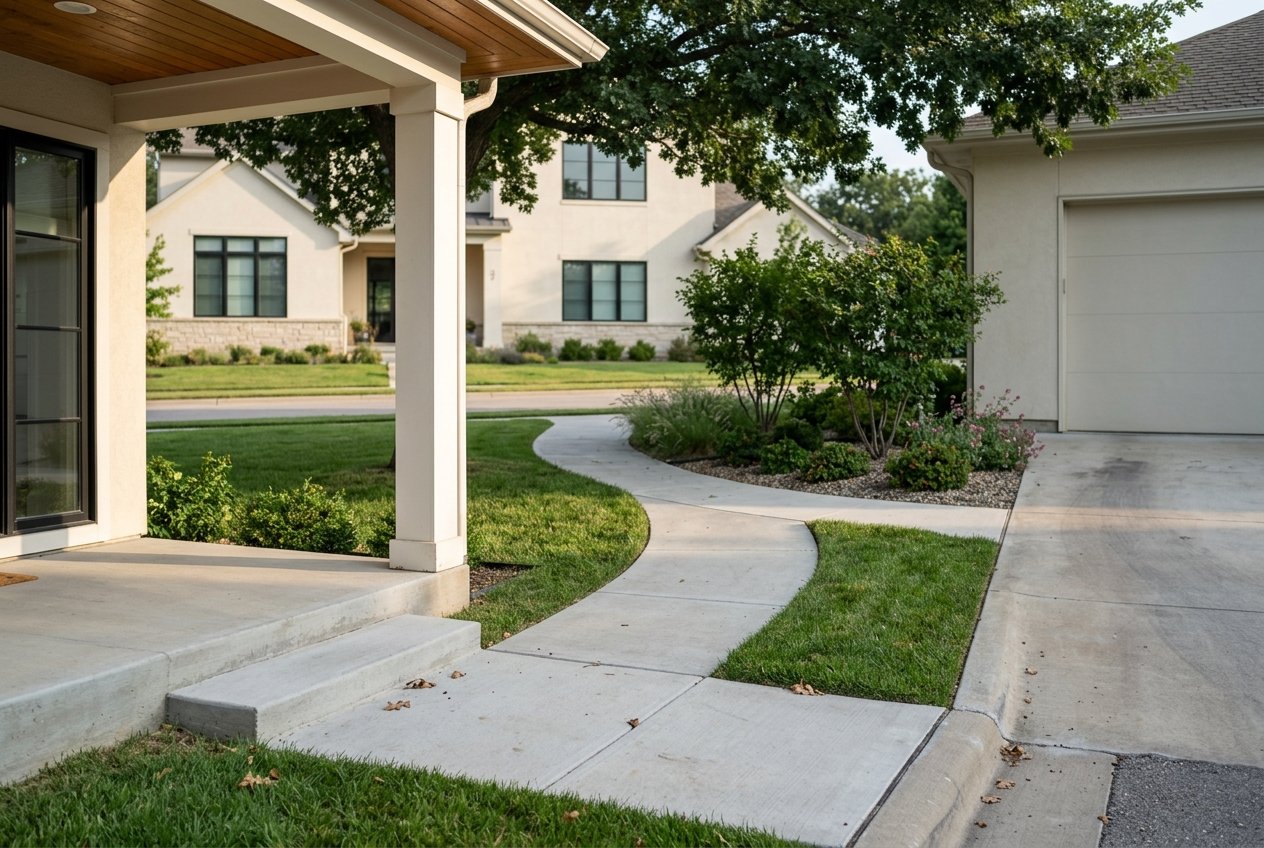
That planning shows up in newer subdivisions and mixed-housing communities. These areas often feel different from the older grid neighborhoods, with more suburban-style layouts, curated open space, and a wider mix of attached and detached housing types.
What newer subdivisions may offer
A current example is Villa Bella Filing No. 2. In 2025, the city reviewed a plan for 48.240 acres and 310 residential lots, including 35-foot-wide lots with a 2,600-square-foot minimum lot area, plus sidewalks, landscaping, drainage features, and pocket parks.
The city review says the project fits a suburban-neighborhood model with single-family detached and attached homes on similarly sized lots, curvilinear streets, and pedestrian and bicycle connections. If you prefer a neighborhood that feels more recently planned, this is the kind of development pattern you may want to look for.
Mixed-housing options
Pikes Peak Park offers another useful example of Pueblo’s newer housing direction. City planning materials describe it as a walkable mixed residential community with neighborhood-serving retail and a mix of single-family attached, single-family detached, multifamily, and accessory dwelling unit options.
That matters if you want flexibility in home type. In Pueblo, your options may range from a traditional detached house to a townhome-style property in a denser setting, depending on the neighborhood and the development pattern.
Home styles you are likely to see
Pueblo’s housing stock is varied, and that is one of its strengths. If you tour multiple neighborhoods, you may see decorative historic homes, practical bungalow forms, stucco revival styles, and simpler vernacular houses within a relatively short drive.
Here are some of the most common styles city standards identify.
Victorian and Queen Anne homes
Victorian homes are among Pueblo’s most recognizable historic styles. The city describes Victorian Eclectic homes as highly decorative, often drawing from Queen Anne, Gothic Revival, and Italianate influences.
Queen Anne homes typically feature asymmetrical massing, porches, towers or bays, projecting gables, and ornament such as shingles, sunburst detailing, and turned spindles. If you love visual character and distinctive curb appeal, these are often the homes that catch your eye first.
Craftsman and bungalow homes
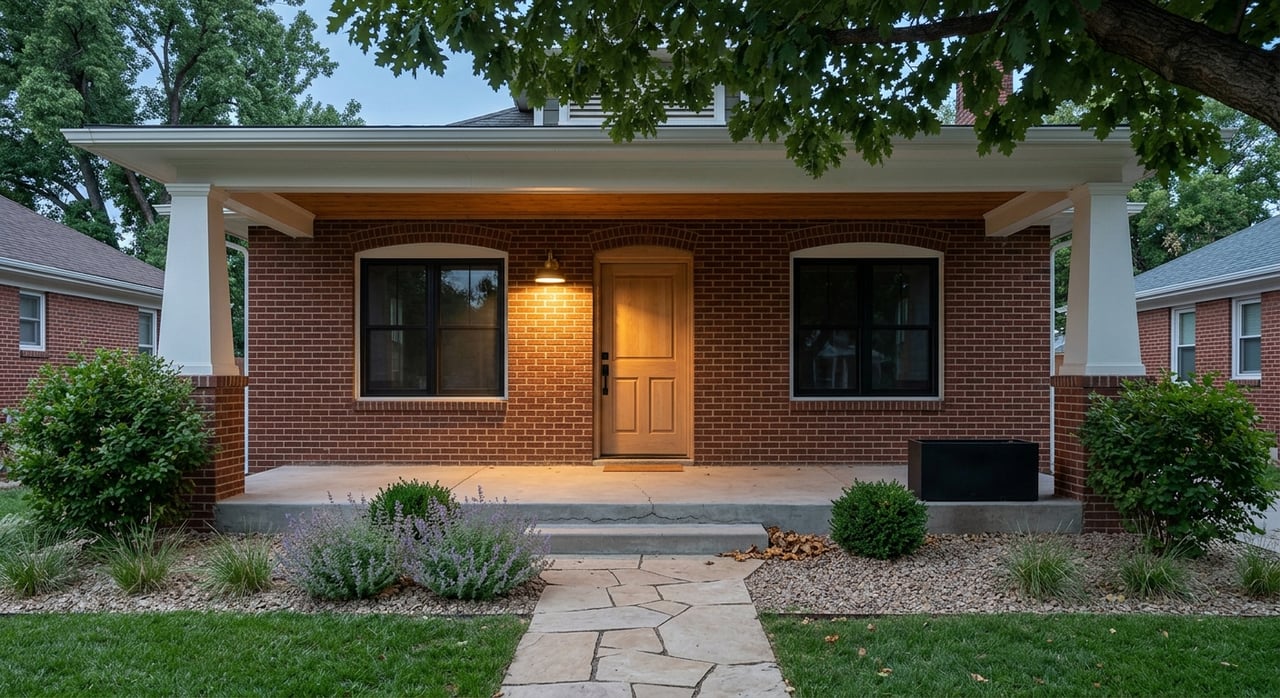
Craftsman homes bring a different kind of charm. Pueblo’s standards say they often feature exposed rafter ends, overhanging eaves, clipped gables, large porch columns, and divided-light upper sash windows.
Bungalows are usually one to one-and-one-half stories and often include Craftsman details. These homes can be a strong fit if you want a smaller footprint, classic porch presence, and a style that feels practical but still warm and inviting.
Pueblo Revival homes
Pueblo Revival is especially tied to place. The city describes this style as stucco construction with flat or slightly sloped roofs behind low parapets, projecting vigas, battered walls, rounded corners, and straight-headed windows.
If you want something that feels regionally grounded, this style offers a look that stands apart from more common suburban forms. It is one of the clearest examples of architecture that feels specific to Southern Colorado and the Southwest.
Spanish Colonial Revival homes
Spanish Colonial Revival homes add another layer to Pueblo’s architectural mix. According to the city, these homes often feature stucco walls, heavy tile roofs, wrought-iron detailing, arcaded porches or entrances, and curvilinear gables and parapets.
For buyers who appreciate texture and architectural detail, this style can feel both elegant and distinctive. It also adds to the sense that Pueblo neighborhoods often offer more design variety than buyers expect.
Vernacular and eclectic houses
Not every home will fit neatly into one category. The city specifically notes that Pueblo’s historic blocks often mix styles within a single house or across the same block, including combinations like classical detailing on a Foursquare or Queen Anne features on an otherwise Victorian house.
That means your home search may be less about spotting perfect labels and more about noticing the details that matter to you. A house can still feel highly appealing even if it blends influences rather than following one pure style.
Lot sizes and neighborhood feel
A home’s style matters, but so does the way the neighborhood feels around it. In Pueblo’s older neighborhoods, the traditional grid, regular setbacks, front-facing entries, and rear accessory buildings help create a compact and visually consistent street edge.
That pattern often makes these neighborhoods feel more connected at the sidewalk level. Porches, trees, and front entries help shape the experience of the street, while service areas are pushed toward the back of the lot.
In newer areas, the lot and street patterns can be very different. Curvilinear streets, smaller lots, attached housing, and planned open spaces can create a more suburban or mixed-density feel depending on the community.
Understanding the size range
Pueblo’s 2021 housing assessment modeled several prototype development types that help show the city’s housing spectrum. A large-lot home was modeled at roughly 50,000 square feet of lot area with an average unit size of about 2,000 square feet.
A city-lot home was modeled at about 6,500 square feet with an average unit size of about 1,700 square feet. A townhome or duplex format was modeled at about 3,000 square feet with an average unit size of about 1,500 square feet.
These are planning prototypes rather than citywide market averages, but they give you a helpful frame of reference. In practical terms, Pueblo can offer everything from larger-lot living to more compact attached-home options.
Lifestyle features that influence location
When you choose a neighborhood, you are not only choosing a house. You are also choosing access to amenities, recreation, and the type of daily rhythm that fits your life.
Downtown and the Riverwalk
Downtown Pueblo has a strong lifestyle anchor in the Historic Arkansas Riverwalk of Pueblo. Visit Pueblo describes it as a 32-acre urban waterfront that is open daily, with a mile-long channel, excursion boats, and a blend of art and history.
If being near a more active urban setting matters to you, this amenity can shape how you see downtown and nearby historic neighborhoods. It gives that part of Pueblo a distinct sense of place.
Arts and local activity
Pueblo’s Creative Corridor is centered on Downtown Main Street, the Union Avenue Historic District, and Mesa Junction. Visit Pueblo also notes that First Friday Art Walks bring regular activity to galleries, restaurants, and businesses across the corridor.
For some buyers, that kind of nearby activity adds value to a location. If you enjoy an area with art, events, and a more connected street-level experience, these parts of Pueblo may be especially worth exploring.
Parks, trails, and outdoor access
Outdoor recreation is another major part of Pueblo’s appeal. The city says Pueblo has 32 miles of multi-use trails, more than 70 park sites, the Arkansas River kayak course, golf courses, and other recreation facilities. The city’s trail information also notes that the River Trail System follows the Arkansas River and Fountain Creek.
Visit Pueblo highlights additional activities including hiking, biking, boating, fishing, golfing, rafting, rock climbing, and access to San Isabel National Forest through Pueblo Mountain Park. If outdoor time is a big part of your lifestyle, that may influence which side of Pueblo feels most practical for you.
How to narrow down your Pueblo search
If Pueblo feels broad at first, a simple framework can help. Start by thinking about the setting you want, then match that to the home style and lot pattern that support your day-to-day life.
Here are a few helpful questions to ask yourself:
- Do you want a historic grid neighborhood or a newer planned subdivision?
- Do you prefer a front-porch streetscape or a more suburban street layout?
- Are you drawn to architectural detail, or do you want a more modern and low-maintenance layout?
- Do you want a detached home, an attached option, or a neighborhood with mixed housing choices?
- How important are trails, parks, downtown access, or arts and recreation to your routine?
Once you know the answers, Pueblo starts to feel easier to navigate. The city offers real variety, and the goal is not to find the “best” neighborhood in general. It is to find the part of Pueblo that best fits how you want to live.
Whether you are comparing historic homes, newer subdivisions, or a mix of both, having clear local guidance can help you move forward with confidence. If you want help exploring Pueblo neighborhoods and finding the right home style for your goals, connect with Jerrell Young for thoughtful guidance and a personalized plan.
FAQs
What kinds of neighborhoods can you find in Pueblo, Colorado?
- Pueblo includes historic grid-platted neighborhoods, industrial-era districts, and newer planned subdivisions with a mix of housing types and neighborhood layouts.
What home styles are common in Pueblo neighborhoods?
- Common styles in Pueblo include Victorian, Queen Anne, Craftsman, bungalow, Pueblo Revival, Spanish Colonial Revival, and mixed vernacular or eclectic homes.
What is the East Side neighborhood known for in Pueblo?
- The East Side is known for its early development history and for having one of the largest concentrations of early homes in Pueblo.
What makes the North Side Historic District unique in Pueblo?
- The North Side Historic District is Pueblo’s only local-register residential historic district and includes 79 contributing homes with many high-style examples.
Are there newer housing options in Pueblo, Colorado?
- Yes. Pueblo includes newer subdivision and mixed-housing models with options such as single-family detached homes, attached homes, multifamily housing, and accessory dwelling unit concepts in planned communities.
How do lot sizes vary in Pueblo neighborhoods?
- City planning prototypes show a wide range, from roughly 50,000-square-foot large lots to about 6,500-square-foot city lots and around 3,000-square-foot townhome or duplex lots.
What amenities shape where people want to live in Pueblo?
- Major lifestyle features include the Historic Arkansas Riverwalk, the Creative Corridor, First Friday Art Walks, multi-use trails, parks, and broad outdoor recreation access.